The Squeeze on Travel Rewards
Summer 2026 was supposed to be the season of revenge travel. Instead, it’s become the summer of sticker shock — and not just at the gas station. The Iran war, which erupted in late February, has sent jet fuel prices spiking, forced airlines to slash capacity by millions of seats, and pushed the cost of a typical international ticket 16% higher than last year. For the millions of travelers sitting on stockpiles of airline miles, the news is even worse: those carefully accumulated points are silently losing their value as carriers rewrite award charts in real time.
Airline miles were never a perfect store of value, but the speed of this devaluation is unusual. The impact of Iran war on airline miles and fares has turned loyalty programs from a predictable perk into a moving target. The same New York-to-London route that cost 30,000 miles in February now often requires 45,000 or more — a direct consequence of dynamic pricing algorithms that peg award seats to the cash fare, which itself is inflated by a roughly 80% leap in fuel costs.
How the Iran War Drove Fuel Costs to Record Levels
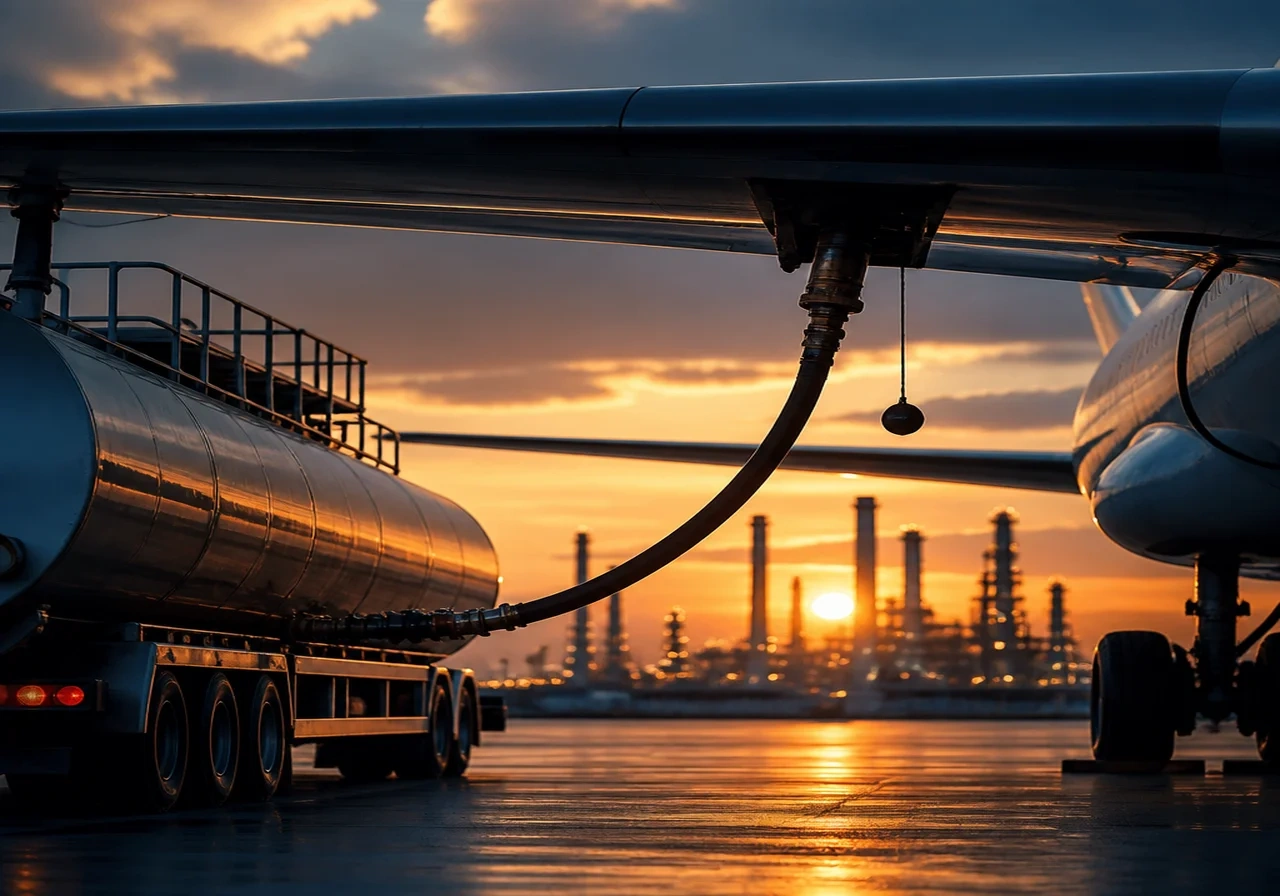
Jet fuel isn’t just another expense for airlines; it typically eats up a quarter of operating costs. When fighting in the Strait of Hormuz disrupted tanker traffic and sent global crude benchmarks climbing, the effect on aviation was immediate and brutal. By early March, the spot price of jet fuel on the US Gulf Coast had jumped 36% above its pre-war level to $3.40 per gallon, and the broader Jet Kerosene index tracked by S&P Global Platts had climbed 82%. As we explored in our analysis of fragmented supply chains, concentrated chokepoints like Hormuz can amplify commodity price shocks far beyond what headline crude prices suggest.
European carriers found themselves squeezed from another direction. The Eurozone was already grappling with bond-market turbulence and a central bank signalling that it would hike rates to contain inflation — a story we detailed in our coverage of the ECB’s June dilemma. That rate path makes dollar-denominated fuel even more expensive for euro-based airlines, deepening the cost crisis on both sides of the Atlantic.
ECB President Christine Lagarde told The Economist there is “no way” the Gulf’s lost energy supply can be restored in months, warning the disruption might last years. That longer timeline is crucial: unlike a brief spike that airlines could absorb with hedging contracts, a sustained period of elevated fuel costs tears through even the most cautious budget — and ultimately lands at the ticket counter.
Airlines Respond: Higher Fares, Fewer Seats, More Fees
The summer airfare increase has been broad and deep. According to the Bureau of Labor Statistics, the seasonally adjusted Consumer Price Index for airline fares hit 299.267 in April 2026 — up 20.7% from a year earlier and 5.6% in just the two months since the war began. International tickets from the US averaged $1,101 by late April, and domestic fares were up 24% year-over-year, according to Kayak. Figure 1 plots the monthly climb of the fare index from November through April, showing a steep upward slope that mirrors the fuel cost shock.
But the fare sticker is only part of the picture, as the data table below makes clear. Airlines cut 9.3 million seats from the June-to-September schedule, per Cirium, removing slack that might have kept a lid on prices. Baggage fees moved higher in lockstep: United’s first checked bag now costs $50, Delta’s $45, each a $10 jump. Fuel now accounts for more than 30% of operating costs at many carriers, up from a 25% pre-war average. Every extra dollar spent on kerosene is a dollar the industry must recover — either through higher fares, fewer routes, or the quiet erosion of frequent-flyer benefits.

The Impact on Airline Miles and Loyalty Programs
The loyalty program devaluation unfolding this summer is less visible than a fare hike but just as consequential. Most US airlines now use dynamic pricing for award tickets, meaning the number of miles required isn’t fixed but floats with the cash fare. When cash fares jump 20%, the miles price tags tend to follow — often with a lag, but relentlessly. A traveler who saved 80,000 miles for a round-trip to Europe may now find the same seat priced at 110,000 miles, effectively shrinking the value of every point earned.
Compounding the problem is a simple fact of scarcity: with 9.3 million fewer seats in the system, fewer award seats are available at any price. Carriers are prioritizing high-fare paying passengers over mileage redemptions, because a $1,500 cash fare contributes far more to covering fuel bills than a 50,000-mile award ticket whose internal cost is often calculated at barely a cent per mile.
The geopolitical risk air travel now carries has also introduced uncertainty into how loyalty programs are managed. Some European airlines with hedging programs — Ryanair, for instance, had 80% of its fuel hedged at $67 per barrel — are in a stronger position, but they too are raising fares on the unhedged portion and tweaking loyalty tiers. For the big US carriers, which largely exited fuel hedging after the 2014 oil crash, the exposure is almost direct: jet fuel prices go up, so does the cost of covering a free flight.
What Travelers Can Do: Strategies for Summer 2026
The situation is grim, but not hopeless. Travelers who act deliberately can still squeeze decent value from their miles.
- Book early, lock in rates. Dynamic pricing algorithms react to the latest fare data. The sooner you claim a seat, the less time the system has to reprice it upward. Even a difference of a week can mean thousands of miles saved.
- Look at August and shoulder dates. Kayak data shows August departures are about 12% cheaper than peak June–July. Friday flights tend to have slightly more award availability, while Sunday returns are the priciest.
- Consider flexible points currencies. Cards that earn transferable points allow you to shop across multiple loyalty programs, hunting for the best redemption. A fixed-value portal might offer a better deal if award charts have become punitive.
- Resist the temptation to carry a balance. With interest rates elevated after the ECB’s hikes and similar Fed moves, credit card APRs are high enough to erase any miles value. Paying down the balance is often the best “redemption.”
Conclusion
The Iran war has rewired the economics of air travel, and loyalty points are the quiet casualty many travelers won’t notice until they try to book. Fuel cost inflation, capacity cuts, and aggressive dynamic pricing have combined to drain miles of their purchasing power at the exact moment consumers most want to use them.
For now, airfares and award charts are likely to stay elevated as long as crude flows remain throttled and central banks keep rates high to combat imported energy inflation. The era of easy, predictable redemptions — already fading — has been accelerated by a conflict that turned a vital shipping lane into a war zone.
Travelers can protect themselves by shifting their strategy: treat miles as a depreciating asset, redeem early, and stay flexible. The miles in your account aren’t gaining interest, but they are losing altitude fast.
Frequently Asked Questions
Why are airline miles worth less this summer?
The Iran war caused jet fuel prices to surge over 80%, and airlines use dynamic pricing for award tickets. As cash fares rise, the number of miles needed for a given flight also increases. Additionally, airlines have cut capacity by 9.3 million seats, reducing award availability.
How much have airfares increased because of the Iran war?
According to the Bureau of Labor Statistics, airfares in April 2026 were 20.7% higher than a year earlier. Average international fares from the US reached $1,101 in late April, up 16% year-over-year, while domestic fares rose 24%.
Will airlines lower fares if oil prices drop?
Airlines rarely pass fuel savings to passengers when demand is strong. Industry analysts say carriers have little incentive to reduce fares even if jet fuel prices decline, because summer demand remains robust and airlines have become more disciplined about capacity.
What is the best way to use airline miles during the war?
Book early to lock in current award rates, consider flexible points cards that can be transferred across programs, and look for August departures which are about 12% cheaper than peak June-July. Avoid carrying a balance on credit cards, as interest can wipe out any rewards value.
Which airlines are most affected by the fuel price spike?
US carriers like American, Delta, and United are particularly vulnerable because they do not hedge fuel costs. European airlines with hedging programs, like Ryanair (80% hedged at $67/bbl), have more protection but are still raising fares on unhedged portions.