A New Chapter at the Fed — and a Sharper Focus on Inflation
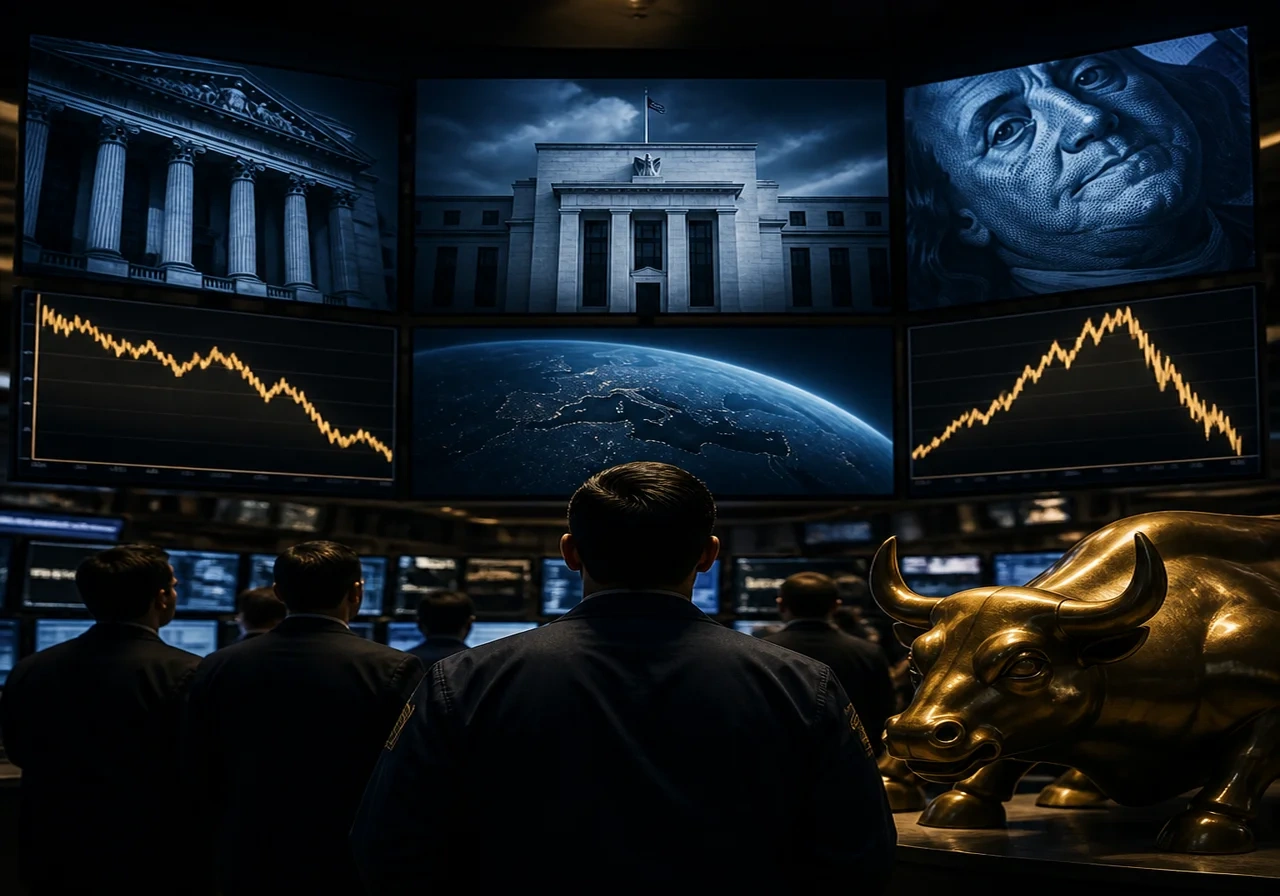
Kevin Warsh was sworn in as the 17th chair of the Federal Reserve on May 22, 2026, stepping into a job that suddenly looks nothing like the one investors expected even three months earlier. The kevin warsh fed chair policy outlook that has emerged in his first days is one of plain-speaking determination: inflation is not falling back to the central bank’s 2% target, and the Fed must be ready to raise rates to bring it under control. For a country still absorbing the price shocks of a widening Middle East conflict, that message has already reshaped the bond market.
As we noted in our earlier coverage of traders betting on a Warsh‑era rate hike, the shift in expectations has been both fast and deep. In January, the market thought the Fed might deliver two or even three rate cuts in 2026. Today, the conviction is that Warsh will move in the opposite direction: a quarter-point increase (0.25 percentage points) is fully priced in for the December meeting. That reversal captures a much larger story, one that begins with who Kevin Warsh is and what his arrival says about the new Fed.
Who Is Kevin Warsh? A Background Built on Crisis
Warsh is not a newcomer to the central bank. He served on the Fed’s Board of Governors from 2006 to 2011, appointed by President George W. Bush and confirmed at age 35 — the youngest governor in the institution’s history. During that tenure he worked alongside then‑Chair Ben Bernanke in the teeth of the 2008 financial crisis, helping to design the emergency lending facilities that stemmed the panic. Before joining the Fed, he served as a White House economic policy adviser; after leaving, he became a visiting fellow at Stanford’s Hoover Institution and a lecturer at the Graduate School of Business.
That experience means Warsh approaches monetary policy as someone who has seen both the machinery of government and the wiring of global finance. His early public statements as chair — the first on the very afternoon of his swearing‑in — underline a core priority: making sure inflation does not settle above the Fed’s target for long. “Inflation is not headed in the right direction,” he said, adding that the central bank should strip out the language that has long implied it was leaning toward future rate cuts. That rhetorical shift is heavy with implications for the warsh monetary policy stance and the central bank’s reputation for inflation targeting.
Inflation’s Dangerous Return — and the Oil Shock Driving It
To understand why Warsh’s words matter, you have to follow the inflation numbers. After peaking at 9.1% in June 2022 — the highest reading in four decades — annual consumer-price inflation steadily declined as the Fed raised rates aggressively. By March 2025 it had fallen to 2.4%, and it ended 2025 at 2.7%, close enough to the 2% goal that the conversation turned to how soon the Fed might risk lowering rates.
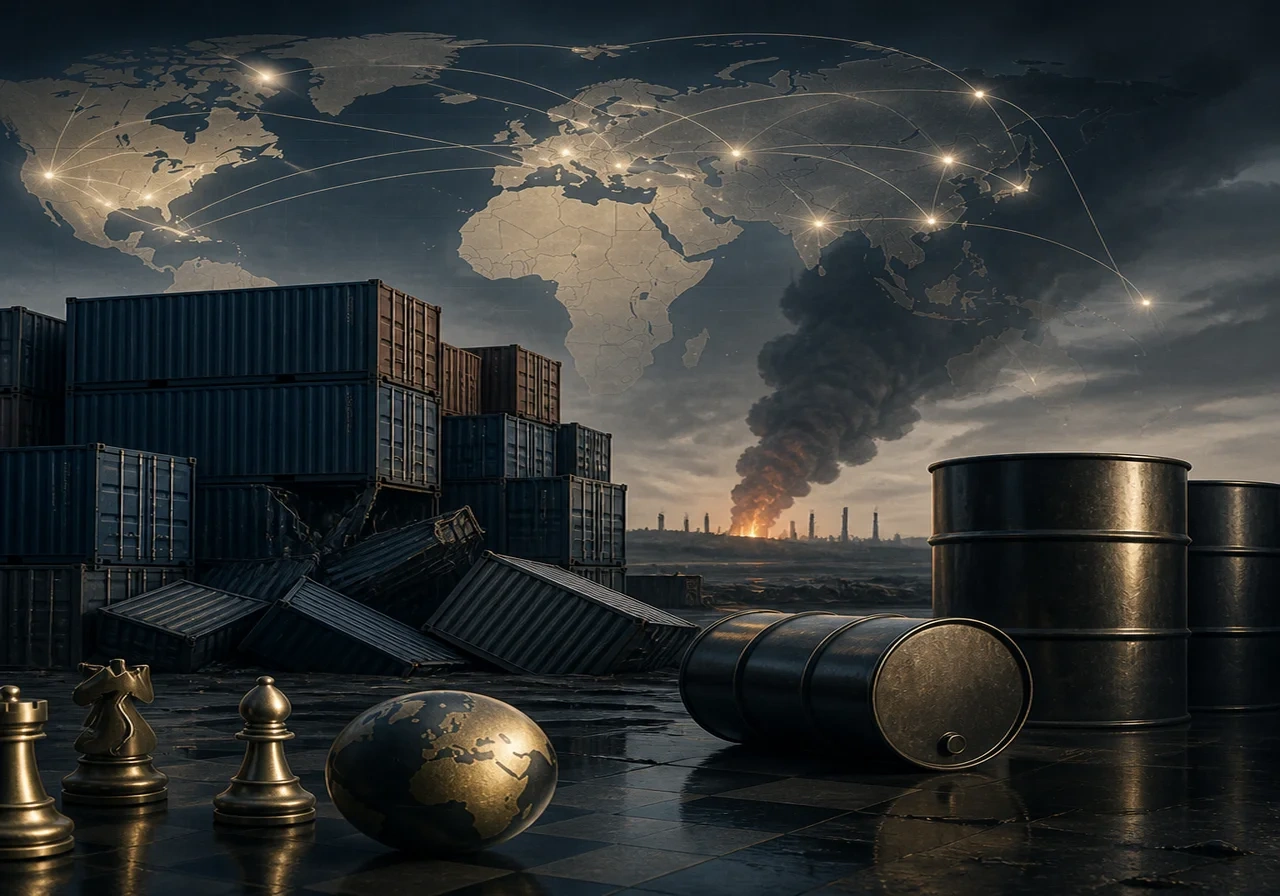
Then came the shock. In late February 2026, the United States and Israel launched military strikes against Iran, a conflict that immediately sent energy costs spiking and disrupted global supply chains. By March 2026 the annual inflation rate had jumped to 3.3%. That number, while still far below the 2022 peak, marks a clear reversal — and it explains why Warsh’s first priority is to re‑establish the Fed’s vigilance. As the data visualization in Figure 1 shows, the smooth downward slope of the inflation curve over three years has broken upward, and the trajectory is now slanting in the wrong direction.
The Iran conflict is the overwhelming driver. Oil prices have surged, making everything from gasoline to air freight more expensive. The longer the fighting lasts, the harder it will be for inflation to retreat on its own. Warsh’s task, therefore, is to prevent a temporary energy shock from turning into a permanent rise in underlying price pressures — a classic central‑banking dilemma that will test his resolve and the fed independence he needs to do his job.
Markets Quickly Price In a Hawkish Fed
Bond traders, who make their living reading the tea leaves of central‑bank communication, did not wait for a formal rate‑hike announcement. Interest‑rate swap contracts repriced within days, reflecting a near‑certainty that the Fed will lift its policy rate by a quarter‑point by December. (For a deeper look at how those probabilities are calculated, see our breakdown of December hike odds.) This is a new fed chair implications showcase: markets had initially expected rate cuts because President Trump, who nominated Warsh, has repeatedly called for lower borrowing costs. Yet the inflationary reality — turbocharged by a war that began during his own administration — has overridden that political pressure, at least for now.
The scale of the pivot is worth pausing on. In January, short‑term interest rates pointed to roughly two quarter‑point cuts by year‑end. After the Iran strikes, and after Warsh’s confirmation and swearing‑in, that expectation has flipped to a rate increase of comparable size. Such a swing in a matter of weeks is unusual outside of financial crises. It reflects a genuine fear that if the Fed does not act, inflation expectations could become unmoored, making future pain even greater.
Removing the Easing Bias — A Plain‑English Hawkish Shift
Central bankers speak in code that can baffle outsiders, but Warsh has chosen clarity. The “easing bias” is simply language in the Fed’s policy statement that signals the committee would rather cut rates than raise them — a tilt toward looser money. Removing it means the Fed will no longer sound as if its next move is almost certainly a cut. Instead, Warsh wants the statement to “make it clear that a rate cut is no more likely in the future than a rate increase.” That official neutrality, paradoxically, is interpreted as a hawkish move because it signals a willingness to raise rates if inflation persists.
Why does phrasing matter so much? Because a simple sentence in a Fed statement can move trillions of dollars of bond prices. If investors believe the Fed is biased toward lowering rates, they will bid up longer‑term bonds, pushing yields down and making credit cheaper — sometimes too cheap for a hot economy. By breaking that bias, Warsh is trying to keep financial conditions from undercutting the inflation fight before it has even begun. He is effectively saying: we will not make the mistake of letting the market assume our hand.
Can the Fed Stay Independent Under Pressure?
An obvious counter‑argument to the rate‑hike narrative is that President Trump, having publicly supported Warsh, might push back hard against higher rates, especially as the 2028 election approaches. The White House welcomed cheap money during the first Trump term, and an energy‑driven inflation spike that raises mortgage and credit‑card payments is politically painful. Would a Warsh‑led Fed actually follow through with a rate increase, or would it fold under pressure?
The early evidence suggests that Warsh is staking his chairmanship on fed independence. In his pre‑confirmation testimony and in his swearing‑in remarks, he emphasized that the central bank’s credibility rests on its willingness to act on data, not on the preferences of elected officials. He knows how quickly inflation expectations can corrode public trust in the dollar — and once those expectations take hold, the cost of breaking them back down is far higher than a few quarter‑point increases. History shows that even presidents who complain about the Fed rarely fire chairs for doing their job; a rate hike in late 2026, if economic data warrant it, would likely stand.
There is also a cold calculus for the White House: if the Iran conflict continues to push up prices and the Fed sits on its hands, voters will blame the administration for inflation anyway. Permitting the Fed to act — while publicly grumbling — might be the least bad political option.
Conclusion
Kevin Warsh’s arrival at the Fed marks a genuine turning point. After two years of drifting toward easier policy, the central bank is back on inflation watch, and the numbers justify that stance. An annual inflation rate of 3.3% — driven by a war that shows no sign of a quick end — leaves the Fed with little room to let its guard down. The bond market, after initially expecting cuts, has already priced in a quarter‑point hike by December, an assumption that now shapes mortgage rates, corporate borrowing costs, and the value of the dollar.
What makes this moment different from other post‑crisis Fed transitions is Warsh’s deliberate plain‑speaking. By publicly calling for the removal of the easing bias, he has signaled that his leadership will be defined by vigilance, not by accommodation. For households and businesses, that translates into a world where the cost of money is more likely to rise than fall for the rest of the year — a world where the kevin warsh fed chair policy outlook means inflation, not growth, is the dominant concern.
The road ahead depends heavily on events outside the central bank’s control — chiefly the duration of the Middle East conflict and the pace at which energy costs subside. But Warsh has already set the tone: the Fed will lean against any temptation to let inflation run hot. That commitment, if sustained, might be precisely what keeps the American economy from reliving the 1970s.
Frequently Asked Questions
Who is Kevin Warsh and why is he important?
Kevin Warsh is an American economist and former Fed governor who was sworn in as the 17th chair of the Federal Reserve in May 2026. He previously served as a Fed governor from 2006 to 2011 and was a key figure during the 2008 financial crisis. His appointment signals a potential shift toward more aggressive inflation-fighting, especially amid rising prices from the Middle East conflict.
What is Kevin Warsh's monetary policy stance?
Warsh has indicated a hawkish stance, prioritizing inflation control. In his first remarks as chair, he said inflation is 'not headed in the right direction' and supported removing the easing bias from the Fed's policy statement, making rate hikes as likely as cuts. Markets expect him to raise rates by December 2026.
Will the Federal Reserve hike interest rates in 2026?
Bond traders are fully pricing in a 25-basis-point rate hike by the December 2026 meeting, a reversal from earlier expectations of deeper cuts. The shift is driven by the Iran conflict's impact on oil prices and inflation, along with Warsh's hawkish signals.
How does the Iran conflict affect Fed policy?
The U.S.-Israel military engagement with Iran since late February 2026 has sent energy costs soaring and disrupted supply chains, pushing annual CPI inflation to 3.3% in March 2026 from 2.7% at end-2025. This inflationary shock is the primary reason markets now expect the Fed to raise rates under Warsh.
What does removing the 'easing bias' mean?
The 'easing bias' is language in the Fed's policy statement that signals a tendency toward future rate cuts. Removing it means the Fed will not lean toward cuts and instead treats rate hikes and cuts as equally possible. Warsh has proposed replacing it with neutral language, reflecting a more hawkish posture.