What is Lipfendra, the FDA-Approved Cholesterol Drug?
On July 16, 2026, the Merck cholesterol pill FDA approval finally landed, giving doctors and millions of Americans the first oral PCSK9 inhibitor to lower LDL cholesterol. The drug, called Lipfendra (enlicitide), is a once‑daily tablet that targets high cholesterol from a completely different angle than the familiar statin pills. As we explored in our earlier look at the investment case behind the approval, the decision reshapes a market that has long been dominated by injections.
Lipfendra is designed for adults who can’t get their LDL (often called “bad” cholesterol) down to a safe level with statins alone, or for people with inherited forms of high cholesterol. It’s the first time that a drug blocking the PCSK9 protein — something that helps the liver pull cholesterol out of the blood — can be taken as a pill, not a shot. The convenience alone could change how cardiologists treat the roughly one in four U.S. adults who have high LDL cholesterol, according to the American Heart Association.
For context on what the approval means for the pharmaceutical landscape, see our detailed breakdown of the FDA decision and its immediate implications. That piece looked at how the drug’s arrival could affect insurers and group benefits plans, and the numbers behind Lipfendra’s clinical trials remain just as compelling weeks later.
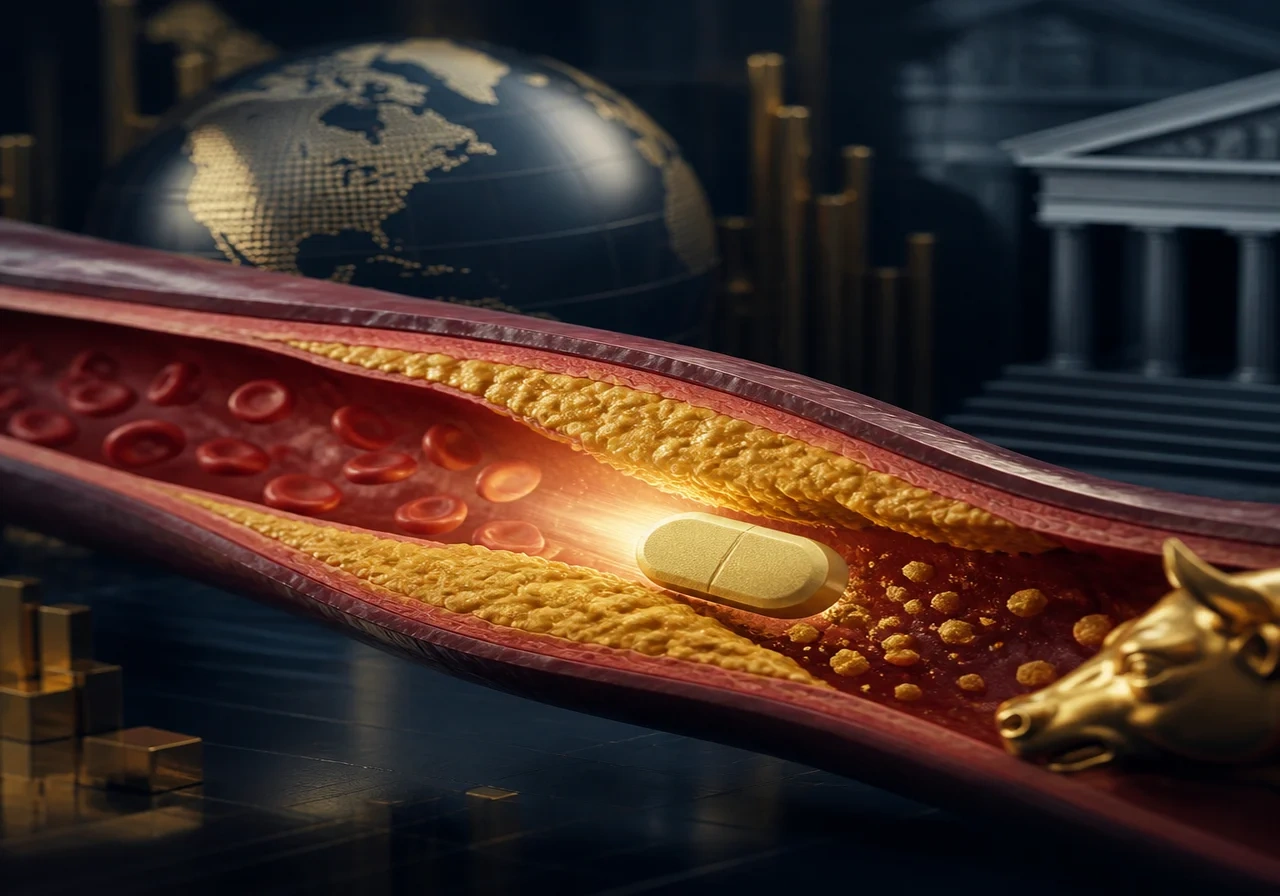
How Lipfendra Works: A Different Sort of Blockade
Statins, the go‑to cholesterol medicines for decades, work inside the liver. They block an enzyme the liver uses to make cholesterol. That slows production, but the liver can ramp up its LDL receptors to compensate, limiting how far LDL can drop in some people. Lipfendra takes a different path. Instead of interfering with production, it blocks the PCSK9 protein itself. By keeping PCSK9 from breaking down LDL receptors on the liver’s surface, the drug lets the liver keep pulling LDL out of the bloodstream more aggressively. The result is a sharper, sustained cut in bad cholesterol.
This mechanism falls under a class of medicines known as PCSK9 inhibitors. Until now, the only FDA‑approved PCSK9 medicines — Amgen’s Repatha and Regeneron/Sanofi’s Praluent — had to be injected under the skin every two or four weeks. Merck’s Merck daily cholesterol pill breaks that pattern. A single tablet, swallowed with water each morning, delivers the same biological effect without needles, without the need to refrigerate the medicine, and without the scheduling hassle that can lead to missed doses.
The FDA based its decision on two large late‑stage studies that included a broad mix of patients: some with the inherited disorder familial hypercholesterolemia, some already on high‑dose statins, and others at elevated cardiovascular risk but not yet on injectable therapy. Across all these groups, the common thread was a powerful LDL reduction that physicians rarely see outside of the injected options.
Clinical Trial Results and Efficacy: Nearly 60% Drop in LDL
In controlled studies over six months, Lipfendra lowered LDL cholesterol by nearly 60%, according to data reviewed by Yahoo Finance. Patients who started with LDL levels well above 100 mg/dL often saw their numbers slide to 50 or 60 mg/dL, and many dipped even lower. For a cardiologist targeting an LDL below 70 mg/dL for high‑risk patients, that kind of drop can be the difference between staying on two medications and finally reaching the target.
The trials also gave doctors confidence that the pill could be added to a statin without unexpected safety signals. Side effects tracked in the studies were mostly mild — temporary muscle aches, a slight uptick in liver enzyme levels, and a few cases of injection‑site reactions (even though the drug is oral, some participants were already on injectables). Importantly, none of the trials suggested the kind of muscle pain that keeps some people from sticking with statin therapy.
The data visualization below summarizes the LDL reduction seen across the major trial arms, illustrating how Lipfendra performed both as a standalone treatment and in combination with background statin therapy.
Cost and Market Impact: A Pill That Undercuts the Needle
Price is often the silent barrier between a new drug and the people who need it. Lipfendra carries a list price of $10.50 per day, or about $315 for a 30‑day supply, as Merck told Reuters. That’s a sharp contrast to the injectable PCSK9 inhibitors, which routinely cost between $500 and $600 a month at list price. Even after insurance rebates and patient assistance programs, the pill’s sticker price sits roughly 40% to 45% below the injections, a gap that could make it far more accessible for those with high‑deductible plans or gaps in prescription drug coverage.
As shown in the chart below, Lipfendra’s monthly cost is substantially lower than the typical injectable alternative, while delivering comparable cholesterol‑lowering power. The combination of a lower price and a simpler dosing schedule — no injections, no refrigeration, no clinic visits — could expand the pool of treated patients by tens of millions. Scotiabank analyst Louise Chen projected peak sales potential for Lipfendra at tens of billions of dollars. If that forecast holds, the pill would become one of the most successful cardiovascular drugs in history.

For Merck, the approval also serves a strategic purpose that has nothing to do with cholesterol. Its current top seller, the cancer immunotherapy Keytruda, starts losing key patent protections in 2028. A multibillion‑dollar new product in the cardiovascular space — where demand is steady and the patient population enormous — gives the company a revenue bridge before biosimilar competition eats into Keytruda’s sales. Investors, as noted in our earlier article on the pharma investment angle, have been watching this pipeline transition closely, and Lipfendra’s approval marks the first concrete milestone in that diversification effort.
Frequently Asked Questions About Lipfendra
What is Lipfendra used for?
Lipfendra (enlicitide) is a prescription pill that lowers LDL cholesterol in adults with high cholesterol, including those with an inherited condition called familial hypercholesterolemia. It can be used on its own or together with a statin when statins alone aren’t enough.
How does Lipfendra differ from statins?
Statins reduce the amount of cholesterol the liver produces, while Lipfendra blocks the PCSK9 protein so the liver can remove more LDL from the blood. They work on different parts of the cholesterol‑control system, which is why some people need both to hit their LDL target.
Is the FDA‑approved cholesterol drug safe?
Clinical trials found Lipfendra to be generally well tolerated. The most common side effects were mild and included temporary muscle discomfort and occasional shifts in liver enzyme levels. As with any new medicine, patients should discuss their personal health history with a doctor before starting.
When will Lipfendra be available and how much does it cost?
Merck has confirmed a list price of $315 for a 30‑day supply, or $10.50 per pill. After the July 2026 FDA approval, the company is expected to launch the drug within a few weeks. Insurance formularies will decide how much patients actually pay out of pocket, but the list price is already considerably lower than existing injectable PCSK9 options.
Does Lipfendra reduce the risk of heart attacks or strokes?
While the initial approval was based on LDL‑lowering results, longer‑term trials are underway to see whether Lipfendra directly cuts the rate of heart attacks, strokes, and cardiovascular deaths. LDL reduction itself is strongly linked to better heart outcomes, but the definitive outcomes data is still being collected.
Conclusion
Lipfendra gives American adults a genuinely new option that marries the potent LDL reduction of PCSK9 inhibitors with the convenience of a daily pill. For the one in four who struggle with high cholesterol, that simple switch — no needle, no refrigerator, no injection schedule — could mean finally reaching the LDL numbers their doctors have been chasing.
The price difference alone may push insurers and plan sponsors to reconsider coverage hurdles that have kept injectable PCSK9 drugs underutilized. At $315 a month, Lipfendra is within striking distance of many specialty‑tier statin combinations, which could reshape the conversation in the exam room.
For Merck, the approval is more than a new product launch. It’s the opening chapter of a deliberate pivot away from the looming Keytruda patent cliff. If the peak‑sales projections are even half right, this cardiovascular drug will sit at the core of the company’s next decade of growth, pairing steady revenue with a massive public‑health need.
Frequently Asked Questions
What is Lipfendra?
Lipfendra (enlicitide) is a once-daily oral pill approved by the FDA on July 16, 2026, for lowering LDL cholesterol. It is the first oral PCSK9 inhibitor, offering a needle-free alternative to existing injectable medications.
How does Lipfendra work?
Lipfendra blocks the PCSK9 protein, which helps the liver remove LDL cholesterol from the blood. This mechanism is different from statins, which inhibit cholesterol production in the liver.
How much does Lipfendra cost?
Lipfendra is priced at $10.50 per day, or $315 for a 30-day supply. This is significantly lower than injectable PCSK9 inhibitors, which cost $500 to $600 per month.
Is Lipfendra better than statins?
Lipfendra is not necessarily better, but it works differently. It can be used alone or in combination with statins for patients who need additional LDL reduction. Clinical trials showed nearly 60% LDL reduction over six months.
When will Lipfendra be available?
Lipfendra received FDA approval in July 2026 and is expected to launch shortly. Patients should consult their doctors to see if it is appropriate for their condition.