The AI Energy Tsunami Hits Wall Street
Something strange is happening inside America's power grid. Over the past two years, electric utilities have canceled plans to retire coal plants. They’ve started building new natural gas generators. They’re racing to secure transformers, switchgear, and long-lead electrical equipment. The culprit? Not electric cars. Not factories. It’s artificial intelligence.
Training a single large language model can consume as much electricity as a small town uses in a month. And once that model is deployed — answering millions of queries — the power draw never stops. Data center operators now forecast that AI will nearly double U.S. electricity demand by the end of this decade. That has turned power infrastructure from a sleepy utility business into one of the most capital‑hungry sectors on earth.
As we explored in our analysis of AI’s energy appetite, the intersection of computing and power is no longer a niche. It is a secular megatrend. The new Defiance AI & Power Infrastructure ETF is the latest attempt to package that trend into a single, tradable investment vehicle. For the first time, retail investors can buy one fund that holds chipmakers, data center landlords, grid equipment manufacturers, and the utilities feeding them electrons — all under one ticker.
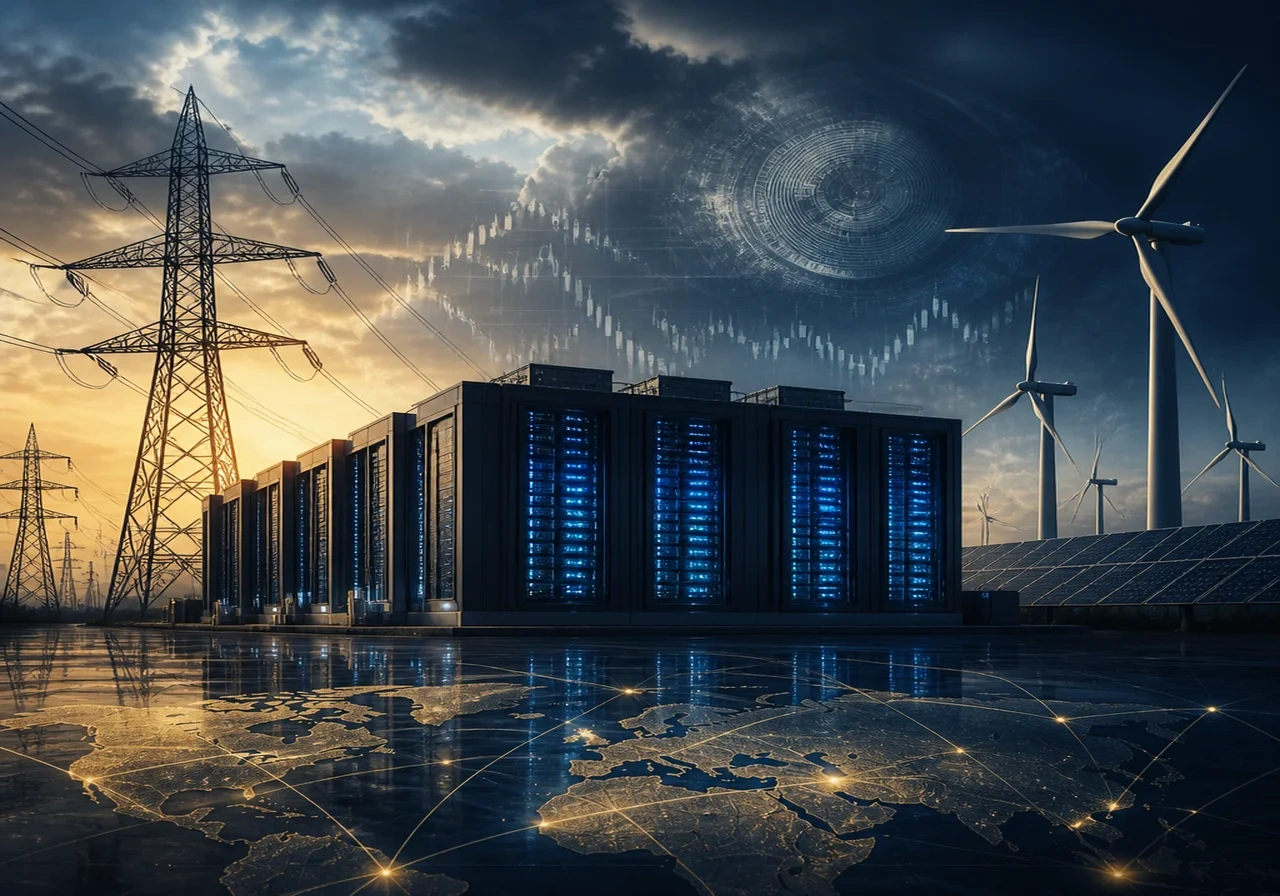
What Is the Defiance AI & Power Infrastructure ETF?
The Defiance AI & Power Infrastructure ETF is a thematic exchange-traded fund. That means it buys a basket of stocks tied to a specific idea — in this case, the hardware and real estate that make artificial intelligence possible. Unlike a broad market index fund that owns everything from banks to toothpaste makers, this ETF focuses narrowly on the companies that build, power, and cool the physical infrastructure behind AI.
The fund is managed by Defiance ETFs, a firm known for launching concentrated, theme‑based products. Their latest offering targets the full supply chain of AI energy: from semiconductor foundries and server rack manufacturers to the companies laying transmission cables and operating utility‑scale battery storage. If a business is essential to keeping an AI data center running, it is in the universe of stocks the fund considers.
This is not a technology ETF in the traditional sense. It does not own software companies or social media platforms. It owns the hard, physical assets that produce and deliver electricity for the AI revolution. Think of it as a power infrastructure ETF with an AI mandate.
Why an AI Infrastructure ETF Now?
The timing is not a coincidence. In 2025, Alphabet made headlines when it filed to raise $80 billion through a stock sale, earmarked primarily for expanding its data center footprint. (See our coverage of Alphabet’s infrastructure spending.) That single fundraising event eclipsed the annual capital expenditures of most utility companies. And Alphabet is not alone. Microsoft, Amazon, and Meta are each pouring tens of billions into new facilities that require hundreds of megawatts of dedicated power.
A traditional energy sector ETF would miss much of this story. Oil producers and pipeline companies have little to do with data center racks or grid‑scale battery systems. A pure technology ETF would underweight the utilities and industrial companies that are the actual bottleneck. The Defiance AI & Power Infrastructure ETF tries to solve that by blending industries — semiconductors, power generation, electrical equipment, and data center real estate — into one portfolio.
According to data from the International Energy Agency, the United States alone had over 2 million electric vehicles on the road by 2021, and their share of new car sales had climbed from 0.17% to 4.6% in a decade. That electrification trend already stressed local grids. AI data centers will accelerate the stress dramatically, because they demand power 24 hours a day, every day, with no seasonal downtime. Figure 1, which shows the decade‑long climb of EV adoption, offers a preview of the kind of load growth now being compounded by AI.
Growth Drivers and Key Holdings
Three structural forces underpin the fund’s investment thesis.
First, the sheer scale of new data center construction. Industry consultants at McKinsey estimate that data center electricity consumption could double by 2030. Every new facility needs land, backup generators, transformers, cooling systems, and long‑term power purchase agreements. That funnel of spending flows to a concentrated group of suppliers — many of which are small enough that a thematic ETF can give them meaningful weight.
Second, the grid itself is the gatekeeper. In many parts of the United States, the wait time to connect a large‑scale data center to the transmission grid now stretches to five years or more. Utilities that own that grid, and the companies that manufacture the heavy equipment needed to upgrade it, enjoy a captive demand stream. The ETF includes several of these incumbents.
Third, AI chip demand continues to outpace supply. While the fund does not buy a single chip stock, it maintains significant exposure to semiconductor firms, especially those involved in high‑performance computing and networking. These companies are not just AI plays; they are the picks‑and‑shovels of the power‑hungry digital economy.
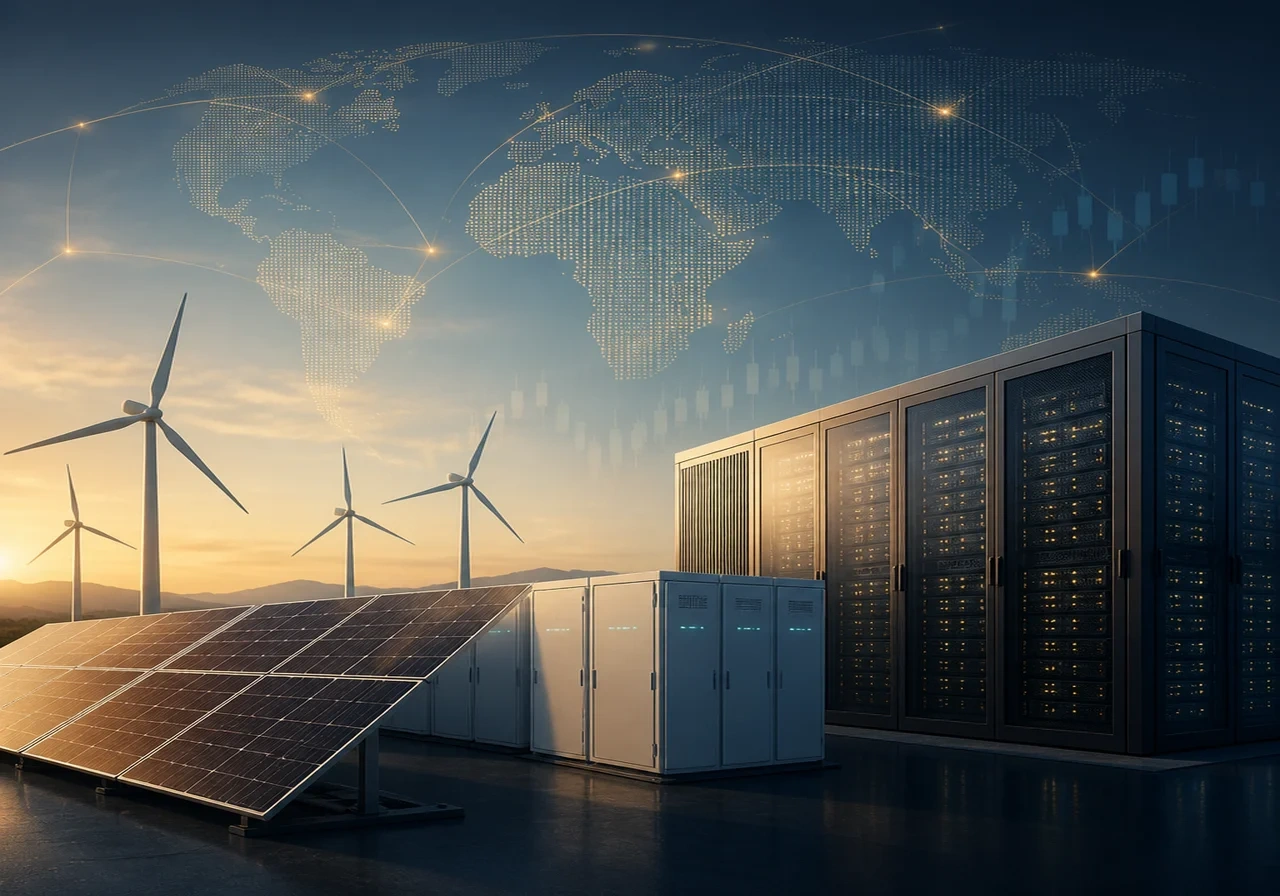
Investors who examine the fund’s holdings will find familiar names like Nvidia (semiconductors), Digital Realty (data center real estate investment trusts), and NextEra Energy (renewable generation and battery storage). But they will also discover lesser‑known industrial firms that manufacture switchgear, uninterruptible power supplies, and cooling towers — the unglamorous but indispensable building blocks of AI infrastructure.
Risks That Come With a Concentrated Bet
A thematic ETF is, by design, a concentrated wager. When AI enthusiasm cools, the stocks in this fund can fall together. There is no diversification into consumer staples or healthcare to cushion the blow. That is the trade‑off.
Regulatory risk is another factor. The same Inflation Reduction Act that extended a $7,500 tax credit for electric vehicles also encouraged massive new investment in grid modernization. Should future administrations pare back those incentives, the economic case for some utility‑scale projects could weaken. The fund’s performance would feel the reverberation.
There is also the question of timing. Capital is pouring into AI infrastructure at an unprecedented pace. If that spending overshoots actual demand — if, say, model efficiency gains reduce the need for data centers — the companies that supply the buildout could face overcapacity. The ETF would then reflect the hangover, not the party.
None of this is a prediction. It is simply the reality of putting money behind a single, high‑conviction theme. For those who want to participate, this fund offers a way to do so without picking individual stocks. But it comes with a concentrated set of exposures that can amplify both gains and losses.
Conclusion
The Defiance AI & Power Infrastructure ETF is a creative attempt to capture one of the defining investment narratives of this decade: the collision of artificial intelligence and physical power infrastructure. By bundling chip designers, data center landlords, grid operators, and electrical equipment makers into one vehicle, it lets investors express a view on the hardware backbone of the AI era.
That backbone is underappreciated in most portfolios. Traditional energy funds are stuffed with fossil fuel producers that have little connection to data center growth. Traditional tech funds own software giants that are light on physical assets. This ETF fills the gap, but it does so with a narrow, high‑octane focus that demands a strong stomach during market swings.
Whether the theme plays out as expected will depend on the trajectory of AI adoption, the pace of grid modernization, and the ability of capital markets to keep funding the buildout. But one thing is already clear: the electrical demands of artificial intelligence are reshaping the investment landscape. For those watching the wires rather than just the code, the old energy sector will never look the same.
Frequently Asked Questions
What is the Defiance AI & Power Infrastructure ETF?
The Defiance AI & Power Infrastructure ETF is a thematic exchange-traded fund that invests in companies involved in artificial intelligence and the power infrastructure needed to support it. This includes data center operators, semiconductor companies, and utility and energy infrastructure firms that are benefiting from the growth of AI computing.
How does AI drive demand for power infrastructure?
AI workloads, especially large language models and generative AI, require massive computing power in data centers. These data centers consume enormous amounts of electricity, driving demand for new power generation, grid upgrades, and cooling technologies. This creates investment opportunities in utilities, energy equipment, and infrastructure companies.
What are the top holdings of the Defiance AI & Power Infrastructure ETF?
While the exact holdings may change, the ETF typically includes companies like Nvidia (semiconductors), Digital Realty (data center REITs), and utilities such as NextEra Energy that are expanding capacity for AI. For the current portfolio, investors should check the fund's official website or prospectus.
What are the risks of investing in this type of ETF?
Risks include sector concentration in AI and energy, which can be volatile. Regulatory changes, shifts in AI spending, or energy price fluctuations could affect performance. Additionally, if the AI boom slows or power infrastructure investment lags, the fund may underperform broader markets.